
Platelet-rich plasma (PRP) is used in some musculoskeletal clinics to help manage selected joint and tendon problems. It is often discussed by people whose knee pain or persistent tendon symptoms have not improved enough with exercise, activity changes or other care. However, PRP is not a guaranteed fix, and the evidence differs depending on the condition being treated.
This guide to PRP injections UK explains how the procedure works, who may be considered, what recovery can involve and what to ask before booking. Advanced Non-Surgical Joint Treatment offers assessment-led care, so the first step is to understand the cause of your symptoms and whether PRP is a reasonable option for you.
What Is a PRP Injection?
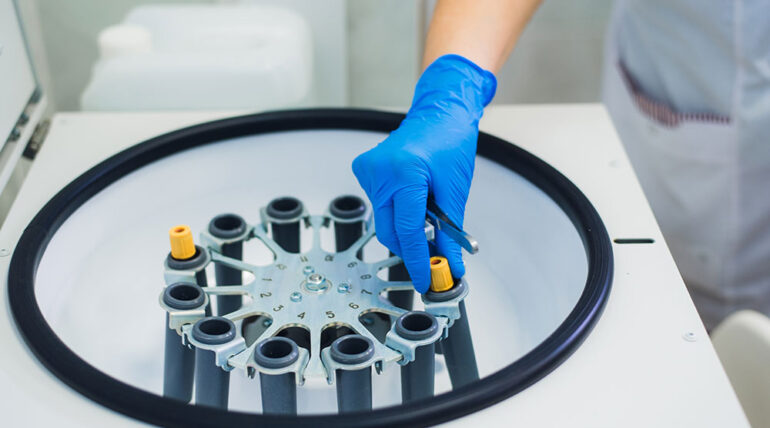
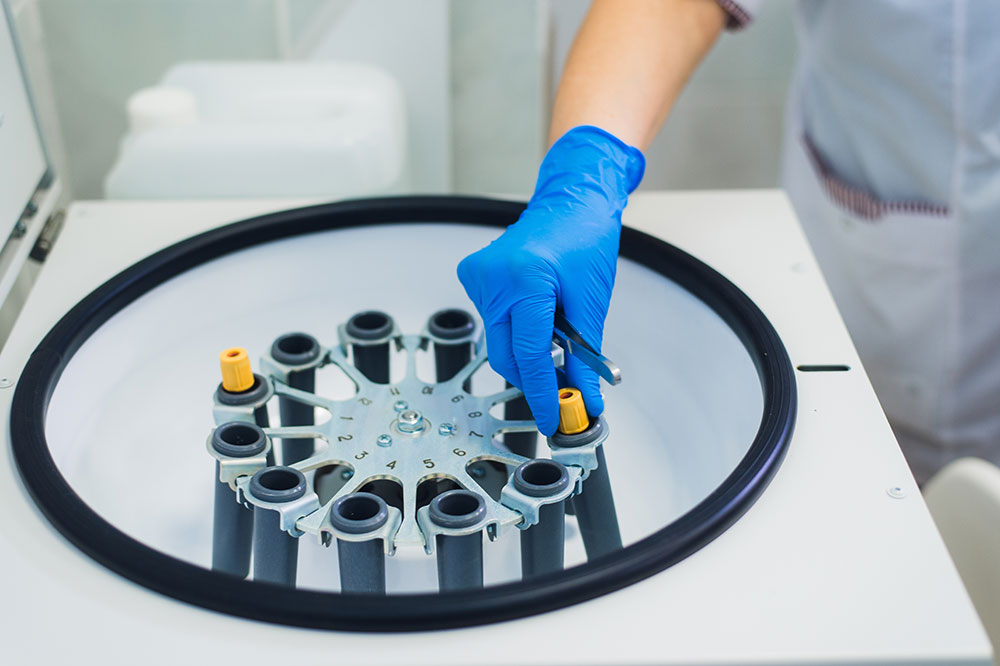
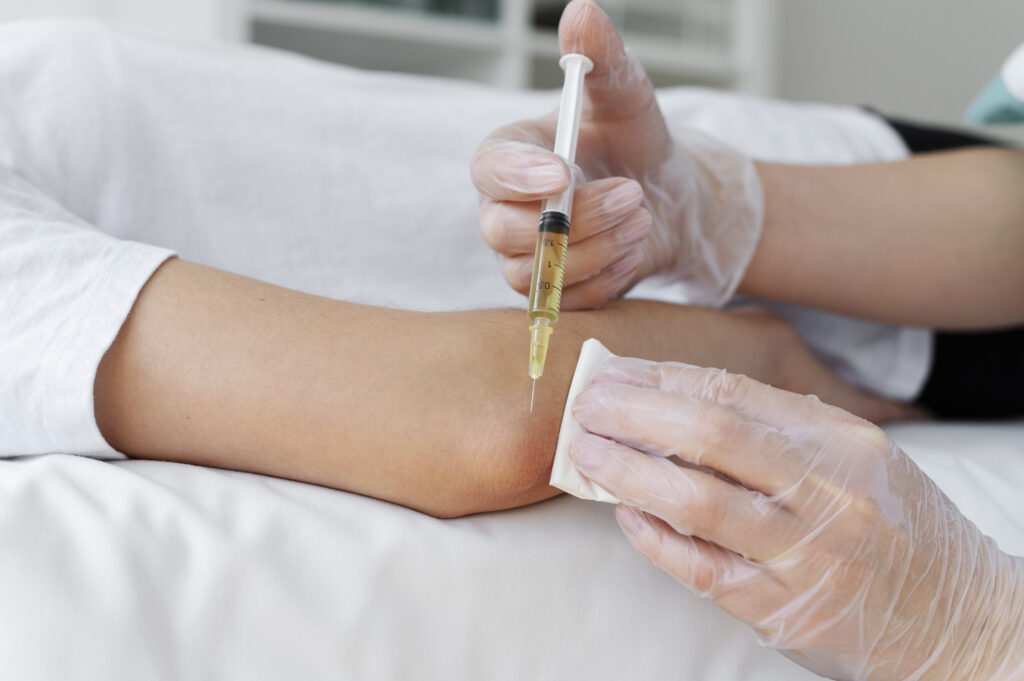
PRP stands for platelet-rich plasma. A clinician takes a small sample of your blood and processes it to concentrate platelets in the plasma. Platelets contain growth factors involved in the body’s repair processes. The prepared plasma is then injected into the selected joint or tendon. Ultrasound guidance may be used to help position the injection accurately.
Because PRP is prepared from your own blood, allergic reactions to the material are uncommon, but the procedure is not risk-free. The purpose is to support the body’s response to injury or degenerative change; it should not be described as rebuilding every damaged structure or curing arthritis.
Which Conditions May Be Considered?
A PRP knee injection may be discussed for some people with early to moderate knee osteoarthritis. PRP may also be considered for certain persistent tendon conditions, including tennis elbow, golfer’s elbow, patellar tendinopathy or Achilles tendinopathy. The evidence and suitability are not identical across these conditions, and a clinician should explain what is known for your particular diagnosis.
PRP may be less helpful when arthritis is advanced or when there is a major structural injury that requires a different treatment. A consultation should establish whether the diagnosis is correct, what previous treatments have been tried and what outcome would be realistic. For some tendon problems, other options—including rehabilitation or a procedure such as Tenex—may be more appropriate.
What Does the Evidence Say?
Research into PRP has produced encouraging findings in some settings, particularly for symptoms associated with mild to moderate knee osteoarthritis. However, studies do not all use the same preparation method, platelet concentration, injection schedule or patient group. This makes results difficult to compare and means that one study cannot guarantee the same outcome for an individual.
UK guidance has highlighted the need for appropriate patient information, careful use and better-quality evidence for some PRP applications. It is important to discuss both positive findings and uncertainty with your clinician. Be cautious of claims that PRP always works, permanently repairs tissue or is suitable for everyone.
What Happens at a PRP Appointment?
- Consultation and Examination: The clinician reviews your symptoms, medical history, and any relevant imaging to determine whether PRP treatment is appropriate.
- Assessment of the Target Area: Ultrasound may be used to assess the affected area and help guide treatment.
- Blood Collection: A small blood sample is taken from the patient.
- PRP Preparation: The blood sample is processed using a specialised preparation system to separate and concentrate the platelets.
- PRP Injection: The prepared PRP is injected into the selected area. Ultrasound guidance may be used to help improve injection accuracy.
- Same-Day Discharge: Most patients return home on the same day. The appointment length and exact steps depend on the area being treated and the clinic’s process.
- Pre-Treatment Precautions: Inform your clinician about your medications, allergies, medical conditions, and any recent infection. Do not stop prescribed medication unless advised by the clinician responsible for your care.
Recovery and Aftercare
Temporary soreness, stiffness or swelling can occur after a PRP injection. Your clinician will explain how to manage discomfort, which activities to pause and when to resume exercise. Ask specifically about anti-inflammatory medicines, because advice may vary with your medical history and treatment plan.
PRP is not usually assessed by an immediate change in pain. If it helps, improvement may develop over several weeks. A gradual rehabilitation plan can be an important part of recovery, especially for tendon conditions. Avoid increasing activity too quickly simply because the injection has been completed; follow the progression recommended for your diagnosis.
Risks, Suitability and Alternatives
Possible side effects include pain at the injection site, bruising, temporary symptom flare and, rarely, infection. PRP may not be suitable for everyone, including some people with active infection, certain blood disorders or medication-related concerns. A clinician needs to review your circumstances before recommending treatment.
Alternatives depend on the diagnosis and may include physiotherapy, activity modification, pain-relief strategies, steroid injections or other procedures. Steroid injections may act more quickly for some symptoms but can have different benefits and limitations. Arthrosamid is a different option used for selected cases of knee osteoarthritis; it does not work in the same way as PRP. The best choice is the one that fits the diagnosis and your goals, not simply the newest or most heavily promoted treatment.
Explore More: Non-Surgical Orthopaedic Treatments: Options for Joint and Tendon Pain
PRP Injection Cost in the UK
The cost of a PRP injection varies with the clinic, area treated, preparation method and whether one or more injections are recommended. Ask for a clear breakdown before you proceed, including consultation fees, imaging, follow-up and any rehabilitation costs. Check private insurance terms directly, as cover differs by policy and procedure. Advanced Non-Surgical Joint Treatment can provide current fee information on request; confirm the latest price before booking.
Conclusion: Is PRP Worth Discussing?
PRP may be an option for selected joint and tendon problems, but outcomes are variable and the evidence is still developing for some uses. A proper assessment, clear explanation of risks and realistic expectations are essential before deciding. Cost alone or a promise of rapid healing should not determine your choice.
If you are considering PRP injections in the UK, Advanced Non-Surgical Joint Treatment can help you understand whether the treatment may fit your diagnosis and what alternatives are available. Contact the team to arrange an assessment with Dr Ralph Rogers and discuss a plan tailored to your symptoms and goals.
Comment ( 1 )