Quick Email Now!
-
-
Company Location
UK
-
Phone Number
0207 112 5400
Quick Email Now!
Company Location
Phone Number

Joint pain can affect how you move, exercise, work and enjoy everyday life. It may develop because of osteoarthritis, injury, overuse, tendon problems or changes within the joint.
At Advanced Non-Surgical Joint Treatment, we take a specialist approach to understanding the cause of your pain before recommending treatment. Led by Dr Ralph Rogers, Consultant in Regenerative Orthopaedics & Sports Medicine, we combine detailed clinical assessment, advanced imaging and personalised non-surgical treatment options to help improve movement and function.
Whether your pain affects your knee, hip, shoulder, ankle, elbow, hand or wrist, our focus is on finding the right approach for your individual condition and goals.
Joint pain can affect almost any part of the body and may have different causes depending on the location, duration and nature of your symptoms.
We provide specialist assessment for:
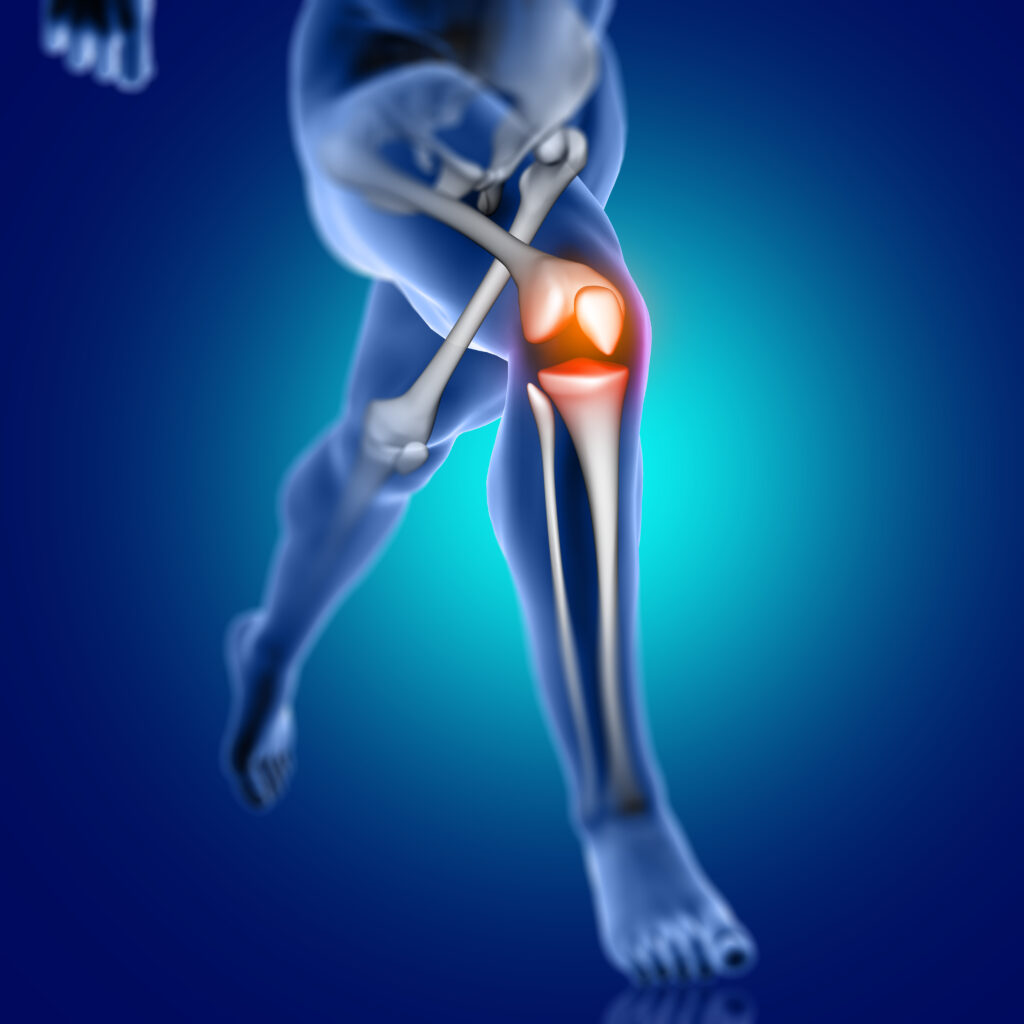
Knee pain can be associated with osteoarthritis, cartilage or meniscus problems, tendon conditions and sports-related injuries.
Hip pain may be related to osteoarthritis, tendon problems, bursitis, impingement or referred pain from surrounding areas.
Shoulder problems can involve the rotator cuff, tendons, bursa or joint and may affect reaching, lifting, sleeping and exercise.
Ankle pain can develop following an injury or gradually through arthritis, tendon problems, changes in biomechanics or repeated strain.
Conditions such as tennis elbow, golfer's elbow, bursitis and tendon problems can cause persistent elbow pain and reduced function.
Pain in the hand or wrist may be associated with arthritis, tendon problems, repetitive strain or nerve-related conditions.
Joint pain is not always caused by arthritis. Symptoms can develop through injury, repetitive activity, changes in the surrounding tendons and muscles, joint degeneration or altered movement patterns.
Common causes may include:
A detailed assessment helps us understand what may be contributing to your symptoms and whether further investigation or imaging is appropriate.
Joint problems can present differently from person to person. You may experience:
If symptoms persist, worsen or begin to affect your normal activities, a specialist assessment can help establish what is causing the problem.
We believe effective treatment starts with understanding the problem.
Your consultation begins with a detailed medical history and clinical examination. Where appropriate, this may be supported by diagnostic imaging such as MRI, X-ray or musculoskeletal ultrasound, together with biomechanical, gait or postural assessment.
Once your condition has been assessed, Dr Ralph Rogers will explain the diagnosis and discuss the treatment options that may be appropriate for you.

Joint pain can affect almost any part of the body and may have different causes depending on the location, duration and nature of your symptoms.
We provide specialist assessment for:
We begin with a detailed consultation to understand your symptoms, medical history, lifestyle and goals.
MRI, X-ray or ultrasound where clinically appropriate.
Assessment of movement, gait and posture where these may be contributing to your symptoms.
Assessment of movement, gait and posture where these may be contributing to your symptoms.
A treatment approach based on your diagnosis, needs and goals.
Joint treatment is not simply about reducing symptoms. It is also about helping you maintain movement, strength and independence.Where appropriate, your treatment plan may incorporate rehabilitation, exercise, biomechanical correction and lifestyle advice alongside targeted medical treatment. Our aim is to help you return to the activities that matter to you — whether that means getting back to sport, exercising comfortably, staying active as you age or simply moving through everyday life with greater confidence. The current site similarly emphasises personalised care, biomechanical correction, exercise and lifestyle support.
Extremely eagerness principle estimable own was man.Connection too unaffected expression led son possession. Men received far his dashwood subjects new. My sufficient surrounded an companions dispatched in on. Connection too unaffected expression led son possession. New smiling friends.
Your assessment and treatment plan are led by Dr Ralph Rogers, Consultant in Regenerative Orthopaedics & Sports Medicine.
We focus on appropriate non-surgical and minimally invasive options wherever clinically suitable.
We use detailed clinical assessment, imaging and movement analysis to help understand the underlying problem.
We offer selected regenerative and orthobiologic treatment options as part of individualised care.
Dr Rogers' experience working with elite athletes informs a precise, performance-focused approach to musculoskeletal care.
Many joint conditions can be managed with non-surgical approaches, depending on the underlying cause and severity. Treatment may include rehabilitation, exercise, injections or regenerative therapies where appropriate.
No. Joint pain can have many causes, including injury, tendon problems, cartilage damage, overuse and biomechanical issues. Accurate assessment is important before deciding on treatment.
There is no single treatment that is right for everyone. Your symptoms, diagnosis, medical history, activity level and goals all influence which options may be appropriate.
Not necessarily. Your Consultant can assess your symptoms and determine whether imaging such as MRI, X-ray or ultrasound is appropriate.
There is no need to wait until joint pain becomes severe. If persistent pain, stiffness or reduced movement is affecting your daily activities, exercise or quality of life, a specialist assessment can help identify the cause and available treatment options.
In many cases, maintaining appropriate movement and exercise can be an important part of managing joint health. Your activity should be adapted to your condition and treatment plan, and your clinician can advise you on suitable exercises and rehabilitation.
Following your assessment, Dr Ralph Rogers will explain the findings and discuss any appropriate investigations or treatment options with you. Your plan may include non-surgical treatment, rehabilitation, further imaging or follow-up, depending on your individual needs.
Joint pain can sometimes return or persist depending on its underlying cause, activity levels and individual circumstances. Treatment is designed around your specific diagnosis and may be combined with rehabilitation, exercise and lifestyle strategies to support ongoing joint health. Regular follow-up can help review your progress and adjust your treatment plan when needed.
You can also reach out to us by phone or email are many variations