nonsurgicalortho

Trigger Point Injections for Muscular Pain

Targeted Treatment for Muscle Pain & Tenderness

Trigger point injections are a minimally invasive treatment used for selected areas of muscular pain and tenderness.

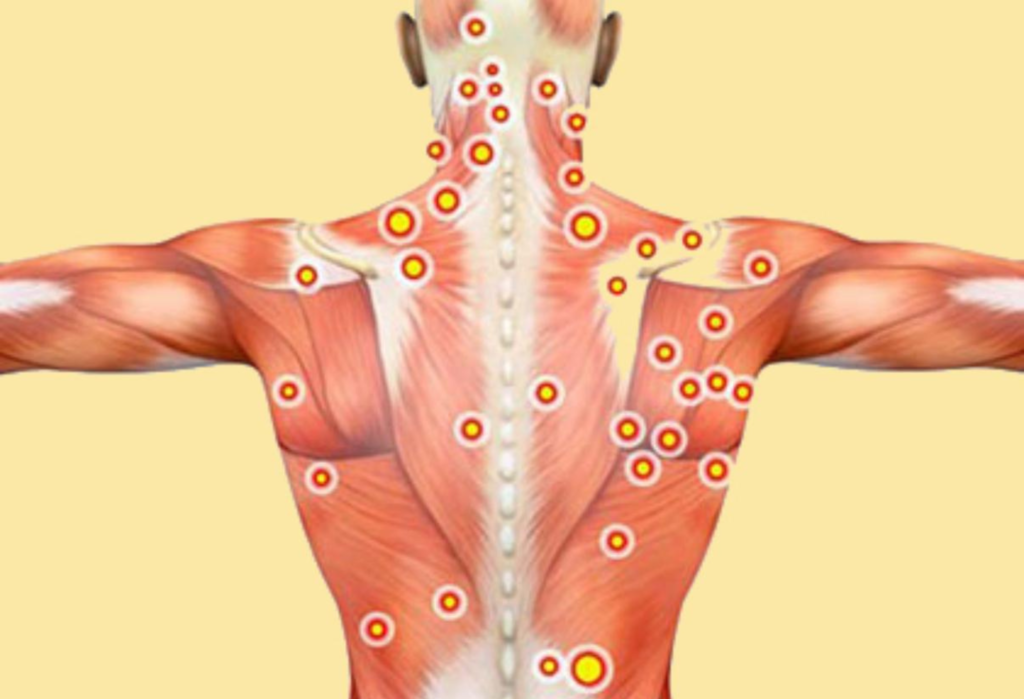
A trigger point is a localised area within a muscle that can become painful and tender. It may also contribute to restricted movement or discomfort when the muscle is used.

Trigger point injections may be considered when muscular pain continues despite approaches such as exercise, physiotherapy or other conservative treatments.

The injection is directed towards the identified area of muscle tenderness. Whether this treatment is suitable for you depends on your symptoms and clinical assessment.

What Are Trigger Points?

A trigger point is a sensitive area within a muscle that can cause local pain and tenderness.

Some trigger points may also contribute to discomfort when the affected muscle is moved or used. Persistent muscular pain can sometimes affect normal movement and everyday activities.

Your clinician will assess the painful area and determine whether a trigger point injection may be an appropriate treatment option.

What Is a Trigger Point Injection?

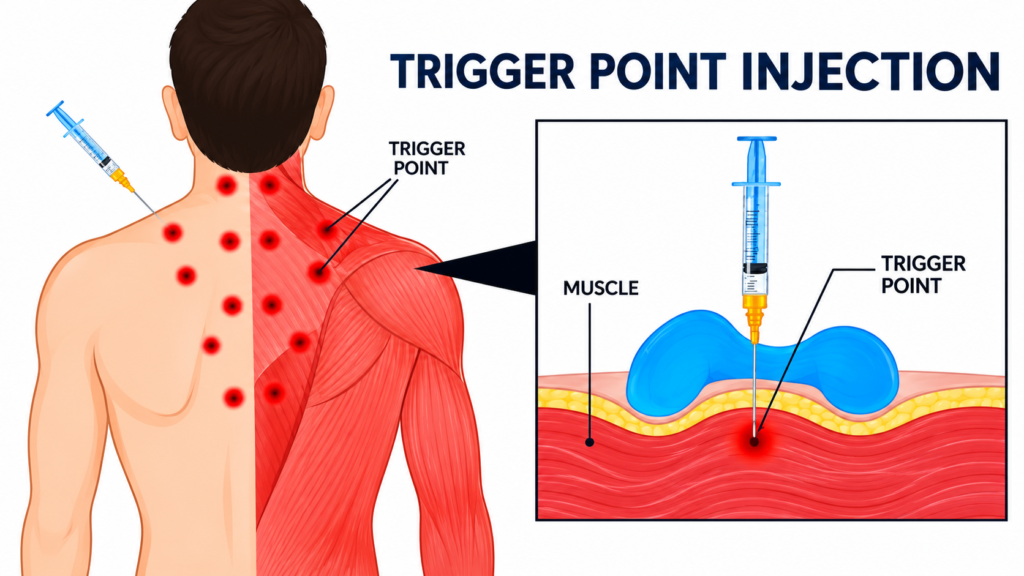
A trigger point injection involves placing an injection into an identified area of muscular tenderness.

The aim is to provide targeted treatment to the affected muscle area. The procedure is minimally invasive and is generally carried out as an outpatient treatment.

Trigger point injections are not suitable for every type of muscular pain. A clinical assessment is needed to understand the cause of your symptoms before treatment.

Why Consider a Trigger Point Injection?

If muscular pain continues to affect your movement or daily activities despite conservative treatment, a trigger point injection may be one option to discuss with a specialist.

Targeted Treatment

The injection is directed towards the identified area of muscular tenderness rather than treating the body more broadly.

Minimally Invasive

Trigger point injections are delivered through a small injection rather than traditional surgery.

Focused on the Painful Area

Treatment is aimed at the specific muscle area identified during your clinical assessment.

Outpatient Procedure

The treatment is generally performed as an outpatient procedure, so you can usually return home after your appointment.

May Be Considered After Conservative Treatment

Trigger point injections may be considered when muscular pain remains problematic despite approaches such as exercise, physiotherapy or other conservative management.

Personalised Treatment

The cause and pattern of muscular pain can vary from person to person. Your clinician will assess your symptoms and decide whether a trigger point injection is appropriate for you.

What Conditions Can Trigger Point Injections Help With?

Trigger point injections may be considered for selected muscular pain conditions involving areas such as:

  • Localised muscle pain
  • Muscle tenderness
  • Painful areas within a muscle
  • Muscular pain affecting movement
  • Persistent muscle-related discomfort

The treatment is not suitable for every cause of muscle pain. Your clinician will assess your symptoms to identify the most appropriate treatment approach.

How Does a Trigger Point Injection Work?

The treatment involves a few simple steps.

1. Your Symptoms Are Assessed

Your clinician will discuss your symptoms and examine the area where you are experiencing pain or tenderness.

2. The Trigger Point Is Identified

The clinician identifies the area of muscular tenderness that may be contributing to your symptoms.

3. The Injection Is Given

The injection is carefully directed towards the identified trigger point.

4. Aftercare Advice Is Provided

After treatment, your clinician will explain what you should expect and provide advice about activity and recovery.

What Are the Potential Benefits?

For suitable patients, trigger point injections may provide a targeted treatment option for selected muscular pain conditions.

Potential benefits include:

  • Targeted treatment of the painful muscle area
  • Minimally invasive procedure
  • No traditional surgery
  • Focused treatment of identified muscular tenderness
  • Usually performed as an outpatient procedure
  • May be considered when conservative treatment has not provided enough relief

The response to treatment can vary between individuals. Your clinician will explain the potential benefits and limitations based on your condition.

Is a Trigger Point Injection Right for You?

Trigger point injections are not suitable for every type of muscular pain.

Your clinician will consider your symptoms, medical history, the location of your pain and any treatments you have already tried.

If a trigger point injection is appropriate, your clinician will explain the procedure and what you can expect. If another approach is more suitable, alternative treatment options can be discussed.

What Happens After the Injection?

Your clinician will provide individual advice following your treatment.

Your recovery may depend on the muscle being treated and the cause of your symptoms. You may be advised to adjust certain activities for a short period following the procedure.

Following your clinician’s advice can help you manage the treated area as you recover.

Personalised Non-Surgical Care for Muscular Pain

Trigger point injections are one of several treatment options that may be considered for muscular pain.

Depending on the cause of your symptoms, your treatment plan may also include exercise, physiotherapy, medication or other non-surgical approaches.

The aim is to understand what is causing your pain and recommend an approach that fits your individual needs.

Book a Trigger Point Injection Consultation

If persistent muscular pain or tenderness is affecting your movement or everyday activities, a consultation can help you understand your treatment options.

Your clinician can assess the painful area, discuss your symptoms and determine whether a trigger point injection may be suitable for you.