nonsurgicalortho

PRP Injection for Joint, Tendon & Musculoskeletal Conditions

Platelet-Rich Plasma Injection Treatment

A PRP injection is a minimally invasive treatment that uses a concentrated preparation made from a small sample of your own blood.

A small amount of blood is taken and carefully processed to prepare platelet-rich plasma. This is then injected into the area being treated.

PRP injections may be considered for selected joint, tendon, ligament and other musculoskeletal conditions. Whether a PRP injection is right for you depends on your symptoms, diagnosis and clinical assessment.

What Is a PRP Injection?

PRP stands for platelet-rich plasma. A PRP injection uses a preparation made from your own blood.

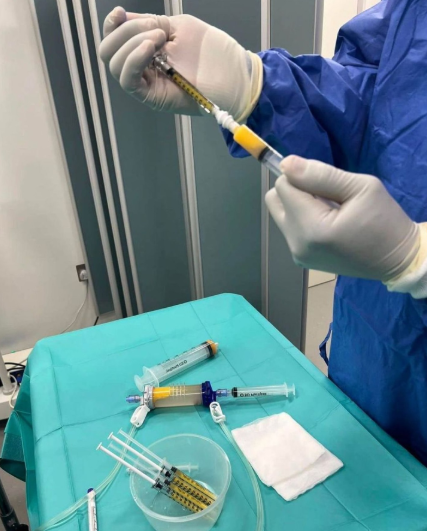
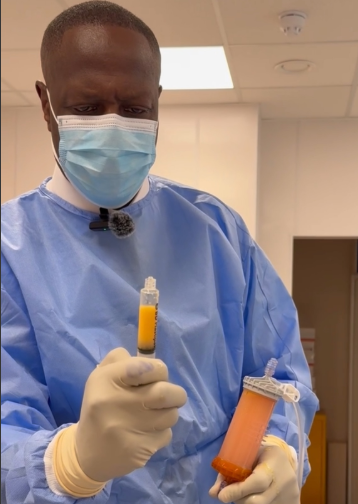
During the procedure, a small blood sample is taken and processed to concentrate the platelets in the plasma. The prepared PRP is then injected into the area being treated.

Platelets are part of your body’s natural healing process. A PRP injection uses this platelet-rich preparation as part of a targeted treatment approach for certain musculoskeletal conditions.

PRP injections are not suitable for everyone. Your clinician will first assess your condition and discuss whether this treatment is appropriate for you.

Why Consider a PRP Injection?

If you are looking for a non-surgical option for a suitable joint, tendon or soft-tissue problem, a PRP injection may be worth discussing with a specialist.

Uses Your Own Blood

The PRP used in the injection is prepared from a small sample of your own blood.

Minimally Invasive

A PRP injection is given through an injection rather than traditional open surgery, making it a minimally invasive treatment option.

Non-Surgical Treatment Option

For suitable patients, a PRP injection may be considered as part of a non-surgical treatment plan.

Targeted Injection

The PRP is injected directly into the area being treated. Ultrasound guidance may be used where appropriate to help your clinician identify and target the treatment area.

Usually an Outpatient Procedure

PRP injections are generally performed as an outpatient procedure, so you can usually return home after your appointment.

Personalised Treatment

Every patient is different. Your clinician will consider your symptoms, diagnosis and medical history before deciding whether a PRP injection is suitable for you.

What Conditions Can PRP Injections Help With?

PRP injections may be considered for selected musculoskeletal conditions affecting areas such as:

  • Joints
  • Tendons
  • Ligaments
  • Muscles
  • Other soft tissues

The right treatment depends on the cause of your symptoms. Your clinician will assess your condition and explain whether a PRP injection is an appropriate option.

How Does a PRP Injection Work?

A PRP injection involves a few simple steps.

1. A Small Blood Sample Is Taken

A small amount of your blood is taken during your appointment.

2. The Blood Is Processed

The blood sample is processed to prepare a concentrated platelet-rich plasma solution.

3. The PRP Is Prepared for Injection

The prepared PRP is made ready for use at the selected treatment area.

4. The PRP Is Injected

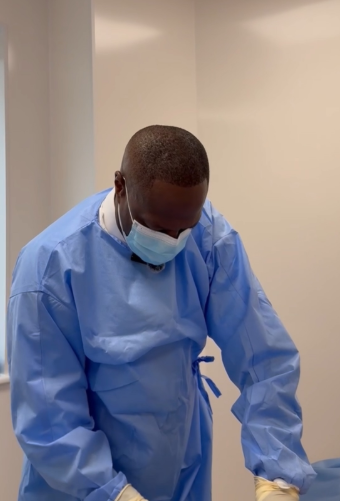
The PRP is injected into the area being treated. Ultrasound guidance may be used when appropriate to help guide the injection. Your clinician will explain the procedure before treatment and answer any questions you may have.

What Are the Potential Benefits of PRP Injections?

For suitable patients, PRP injections may offer several advantages as part of a non-surgical treatment plan.

Potential benefits include:

  • Uses your own blood
  • Minimally invasive treatment
  • No traditional open surgery
  • Targeted injection into the treatment area
  • Usually performed as an outpatient procedure
  • May be considered for selected joint, tendon and ligament conditions
  • Can form part of a personalised treatment plan

The response to a PRP injection can vary from person to person. Your clinician will explain the potential benefits and limitations based on your individual condition.

Is a PRP Injection Right for You?

A PRP injection is not suitable for every patient or every condition.

Your clinician will consider your symptoms, diagnosis, medical history and any previous treatment before recommending PRP.

During your consultation, you can discuss your symptoms and treatment goals. If a PRP injection is not suitable, other non-surgical treatment options may be discussed.

What Happens After a PRP Injection?

Your clinician will give you personalised advice after your injection.

Recovery can vary depending on the area treated and the condition being managed. You may be advised to change your activity for a period of time after treatment.

Following your clinician’s advice can help you manage the treated area during your recovery.

Personalised Non-Surgical Orthopaedic Care

A PRP injection is one of several non-surgical treatments that may be considered for selected musculoskeletal conditions.

Depending on your diagnosis, other treatment options may include ultrasound-guided steroid injections, Tenex®, hyaluronic acid treatments, cellular matrix injections and other specialist treatments.

The aim is to understand your condition first and then recommend a treatment approach that is appropriate for you.

Book a PRP Injection Consultation

If joint, tendon or other musculoskeletal pain is affecting your daily life, a consultation can help you understand your treatment options.

Your clinician can assess your condition, explain whether a PRP injection may be suitable and discuss other options where needed.