Quick Email Now!
-
-
Company Location
UK
-
Phone Number
0207 112 5400
Quick Email Now!
Company Location
Phone Number
When joint, tendon or musculoskeletal pain begins to affect your movement, treatment should be based on an understanding of what is causing your symptoms.
At Advanced Non-Surgical Joint Treatment, we offer a range of minimally invasive and non-surgical procedures designed for selected joint, tendon, spine and soft-tissue conditions. Every treatment is considered in the context of your diagnosis, medical history, symptoms and individual goals.
Our aim is simple: accurate assessment, appropriate treatment and a personalised pathway towards better movement and function.
Explore a range of advanced, non-surgical treatments for joint, tendon, spinal and musculoskeletal conditions. Each option is carefully considered following a detailed assessment of your symptoms and diagnosis. From image-guided injections to minimally invasive procedures and regenerative approaches, we focus on selecting treatment that is appropriate for your individual needs and goals.

Regenerative Treatment Using Your Own Tissue
Lipogems® is a minimally invasive procedure that uses processed adipose tissue obtained from your own body. The tissue is prepared using a specialised process before being introduced into the area being treated.
It may be considered for selected joint, tendon and soft-tissue conditions, including certain degenerative and sports-related problems. Your suitability depends on your individual diagnosis and clinical assessment.
Minimally invasive, uses your own tissue, performed under local anaesthetic, suitable for selected musculoskeletal conditions.

Targeted Treatment for Selected Spinal Conditions
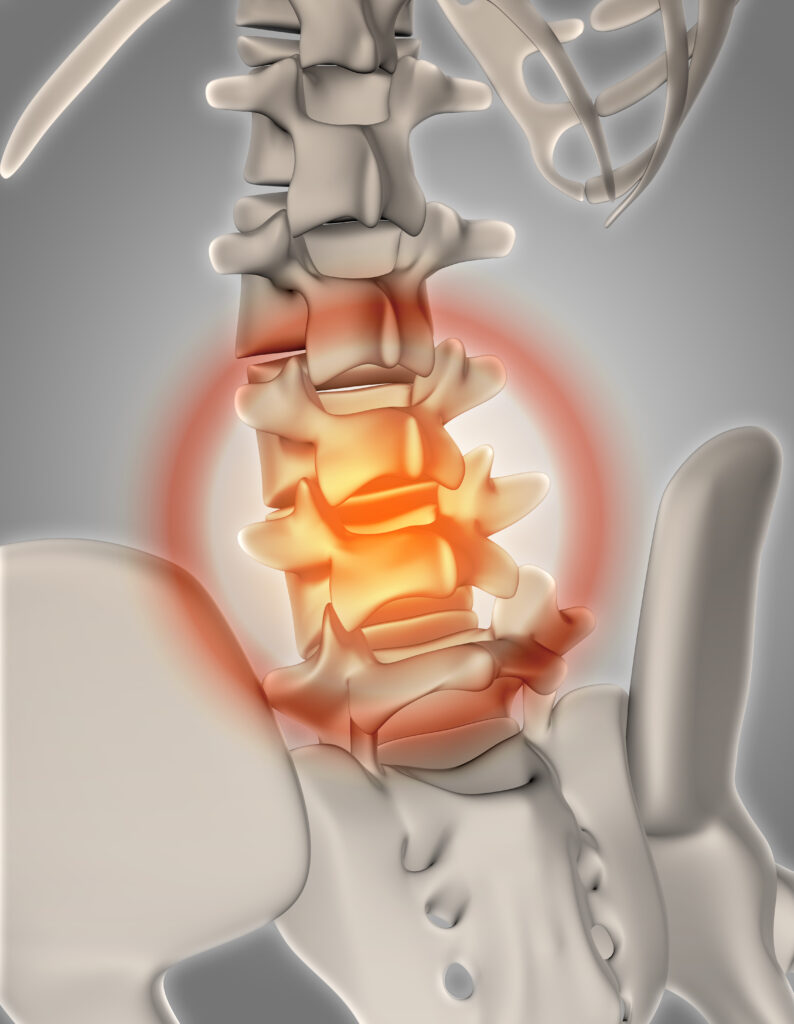
Spinal injections can be used as part of the assessment and management of certain types of lower back and leg pain. The appropriate injection depends on the suspected source of your symptoms.
Depending on your diagnosis, options may include epidural or transforaminal injections, medial branch blocks, or other targeted spinal procedures.
Image-guided, targeted treatment, minimally invasive, selected for specific spinal conditions.

Minimally Invasive Treatment for Selected Tendon Conditions
Tenex® is a minimally invasive procedure designed for certain chronic tendon problems. Using specialised ultrasonic technology, the procedure targets abnormal or damaged tendon tissue while aiming to preserve surrounding healthy tissue.
It may be considered for selected conditions affecting areas such as the elbow, shoulder, knee, Achilles tendon and plantar fascia.
Minimally invasive, ultrasound-guided, performed under local anaesthetic, designed for selected chronic tendon conditions.
Platelet-Rich Plasma Treatment
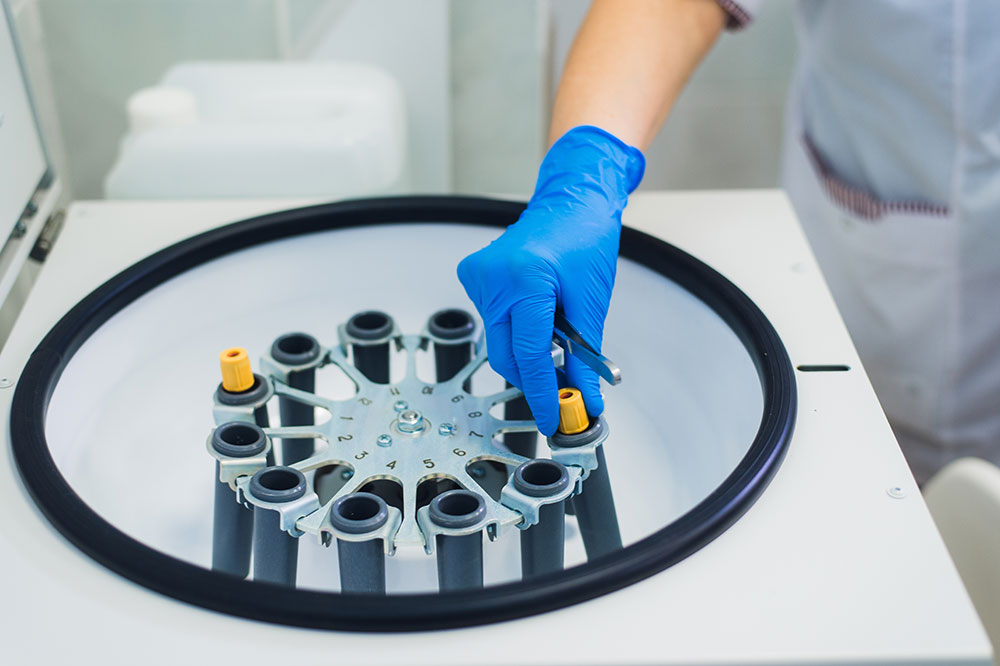
Platelet-rich plasma (PRP) therapy uses a concentrated preparation made from a small sample of your own blood. After processing, the preparation is injected into the area being treated.
PRP may be considered for selected tendon, ligament, joint and other musculoskeletal conditions. Treatment suitability depends on the nature of your condition and your clinical assessment.
Uses your own blood, minimally invasive, outpatient treatment, suitable for selected musculoskeletal conditions.
Precise Treatment for Pain & Inflammation
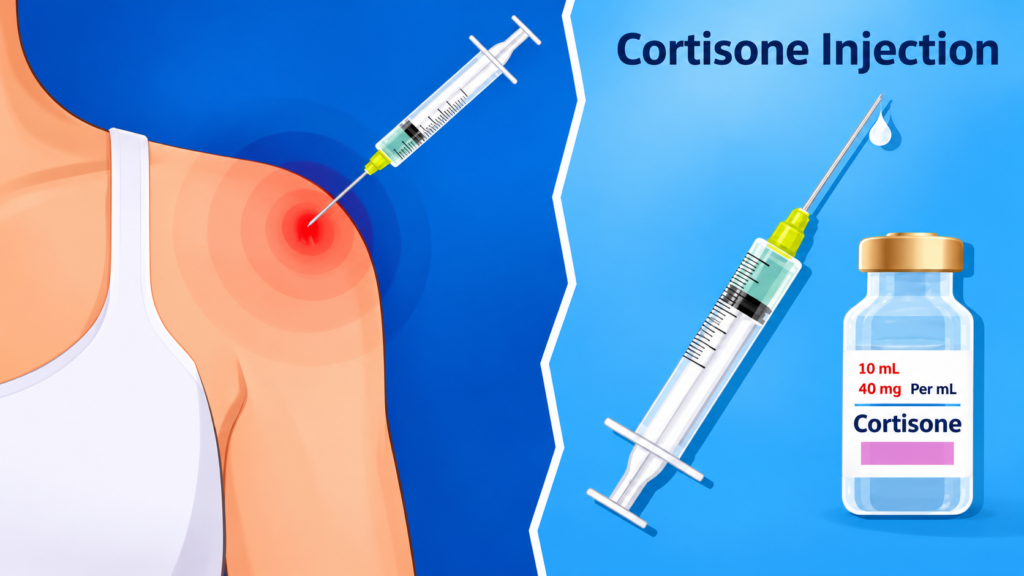
Corticosteroid injections may be used to manage inflammation and pain associated with certain joint, tendon and soft-tissue conditions.
Using ultrasound guidance allows the clinician to visualise the relevant anatomy during the procedure and accurately target the intended area.
These injections may be considered for conditions including arthritis, bursitis, selected tendon problems and certain musculoskeletal pain conditions.
Ultrasound-guided, targeted treatment, minimally invasive, performed as an outpatient procedure.

Joint Lubrication & Support
Ostenil® contains hyaluronic acid, a substance naturally found within joint fluid. Hyaluronic acid injections may be considered for selected patients with joint pain associated with osteoarthritis and other degenerative joint conditions.
The treatment is designed to supplement the properties of the joint's natural synovial fluid and may be considered for joints including the knee, hip, shoulder and ankle.
Minimally invasive, non-surgical, hyaluronic acid-based treatment, suitable for selected joint conditions.
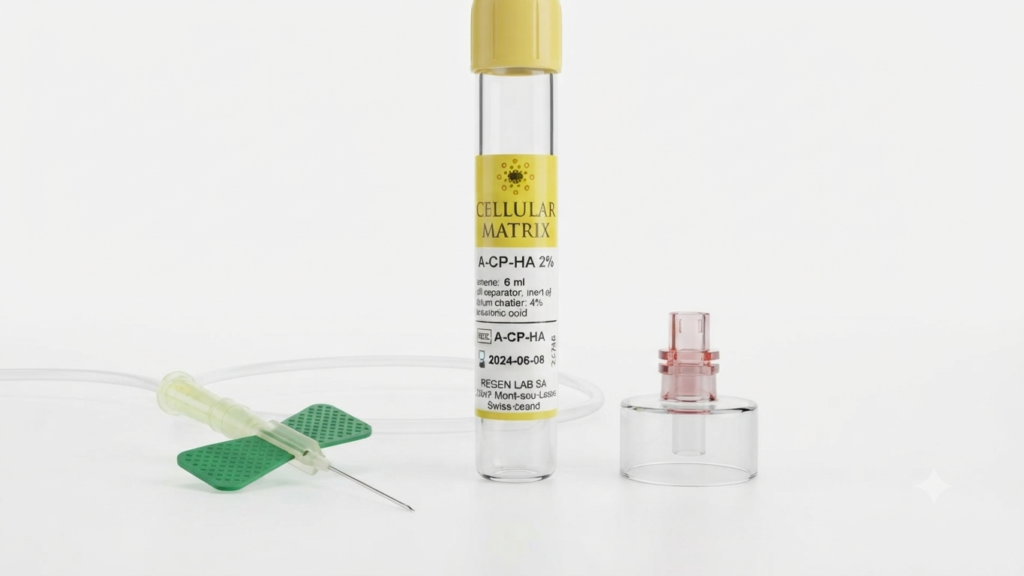
Combining PRP & Hyaluronic Acid
Cellular Matrix® combines platelet-rich plasma with hyaluronic acid within a single treatment approach.
The combination brings together the properties of PRP and hyaluronic acid, and may be considered for selected joint and musculoskeletal conditions, including certain cases of osteoarthritis and tendon-related problems.
Whether this treatment is appropriate depends on your diagnosis, symptoms and individual circumstances.
Combines PRP and hyaluronic acid, minimally invasive, outpatient treatment, personalised to the individual.
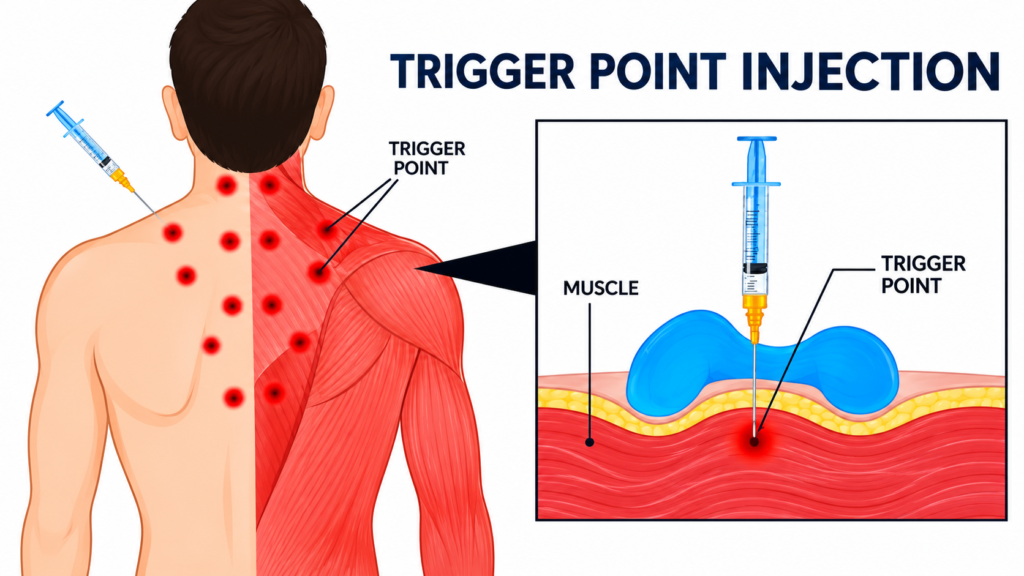
Targeted Treatment for Muscular Pain
Trigger points are localised areas of muscle that can contribute to persistent pain, tenderness and restricted movement.
Trigger point injections may be considered when muscular pain remains problematic despite approaches such as exercise, physiotherapy or other conservative management. The injection is directed towards the identified area of muscular tenderness.
Targeted treatment, minimally invasive, outpatient procedure, used for selected muscular pain conditions.
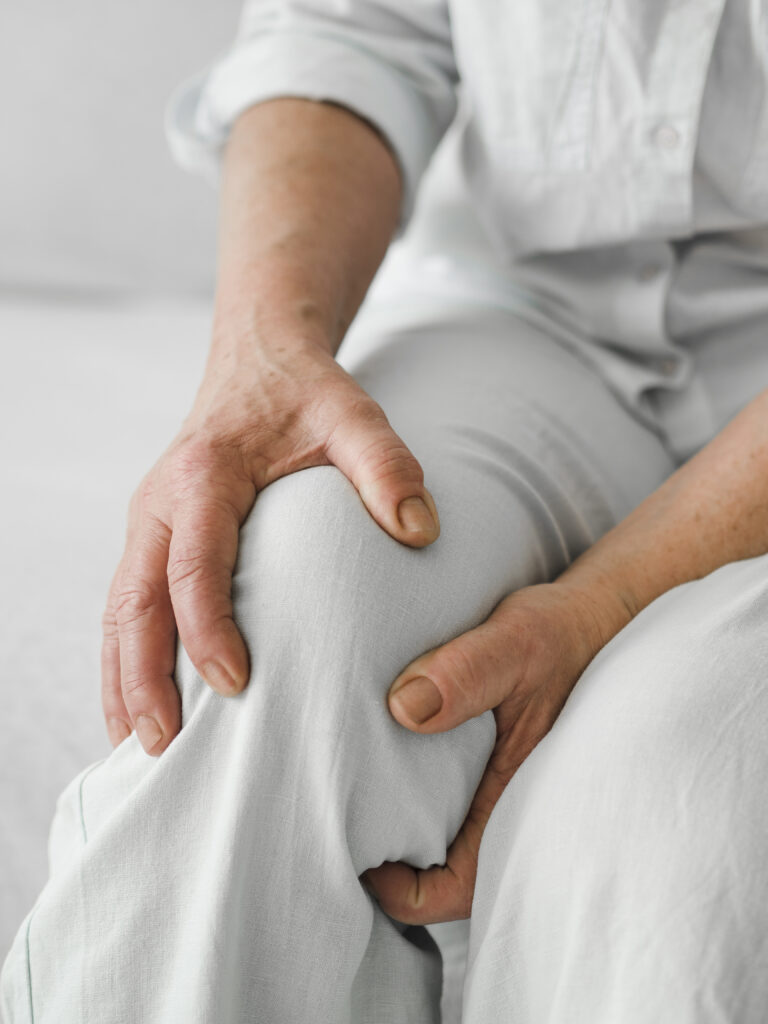
Relieving Pressure & Investigating Joint Fluid
Joint aspiration, also known as arthrocentesis, involves removing excess fluid from a swollen joint using a needle.
Removing fluid can help reduce pressure and discomfort, while the sample can also be sent for analysis when clinically appropriate. This may help investigate possible causes of joint swelling, including inflammatory conditions, gout, infection or injury.
Minimally invasive, diagnostic and therapeutic, fluid analysis where appropriate, ultrasound guidance when required.
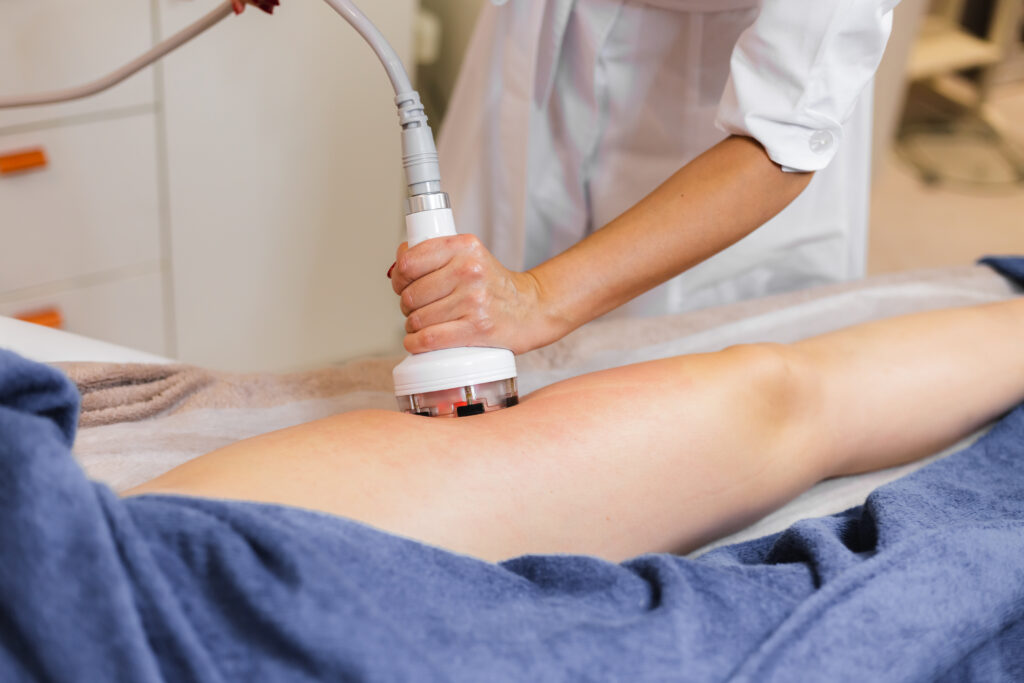
Targeting Selected Nerves Associated With Chronic Pain
Radiofrequency ablation is a minimally invasive procedure that uses controlled radiofrequency energy to treat selected nerves associated with persistent pain.
It may be considered for appropriately diagnosed cases of facet-related spinal pain, sacroiliac joint pain and selected knee or shoulder pain.
The procedure is performed using imaging guidance to help accurately identify the treatment area.
Minimally invasive, image-guided, designed for selected chronic pain conditions, performed under local anaesthetic where appropriate.
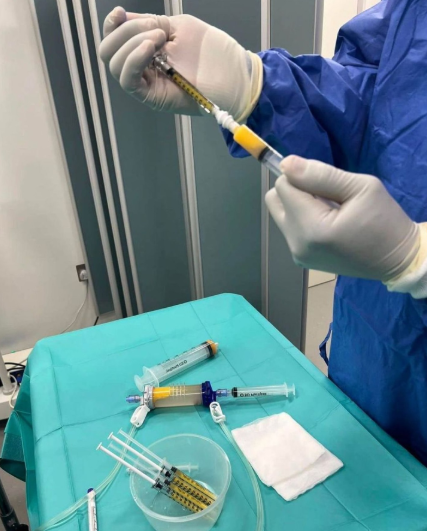
What is Arthrosamid Injection?
Arthrosamid is an innovative treatment designed to provide long-lasting pain relief for patients suffering from knee osteoarthritis.
This injectable hydrogel is made up of a polyacrylamide gel, which is biocompatible and integrates with the surrounding tissue. Once injected into the knee joint, Arthrosamid acts as a cushioning agent, reducing pain and improving joint function by enhancing lubrication and shock absorption.
There is no single treatment that is right for every patient.
Before recommending a procedure, we consider your symptoms, medical history, physical examination, diagnostic imaging, previous treatments and activity goals.
Your treatment plan may involve one procedure, a combination of treatments, rehabilitation, or continued conservative management.
Your Consultation May Include :
Understanding your symptoms and medical history.
Assessing movement, function and the affected area.
Ultrasound, MRI, X-ray or other investigations where appropriate.
Explaining suitable options, benefits, limitations and alternatives.
Creating a treatment pathway based on your individual needs.
Our treatments are designed to provide alternatives to surgery for selected patients and conditions. Where appropriate, procedures can be combined with rehabilitation and lifestyle strategies to support improved movement and function.
The goal is not simply to perform a procedure, but to understand why you are experiencing pain and whether a particular treatment is appropriate for you.
Many joint conditions can be managed with non-surgical approaches, depending on the underlying cause and severity. Treatment may include rehabilitation, exercise, injections or regenerative therapies where appropriate.
No. Joint pain can have many causes, including injury, tendon problems, cartilage damage, overuse and biomechanical issues. Accurate assessment is important before deciding on treatment.
There is no single treatment that is right for everyone. Your symptoms, diagnosis, medical history, activity level and goals all influence which options may be appropriate.
Not necessarily. Your Consultant can assess your symptoms and determine whether imaging such as MRI, X-ray or ultrasound is appropriate.
There is no need to wait until joint pain becomes severe. If persistent pain, stiffness or reduced movement is affecting your daily activities, exercise or quality of life, a specialist assessment can help identify the cause and available treatment options.
In many cases, maintaining appropriate movement and exercise can be an important part of managing joint health. Your activity should be adapted to your condition and treatment plan, and your clinician can advise you on suitable exercises and rehabilitation.
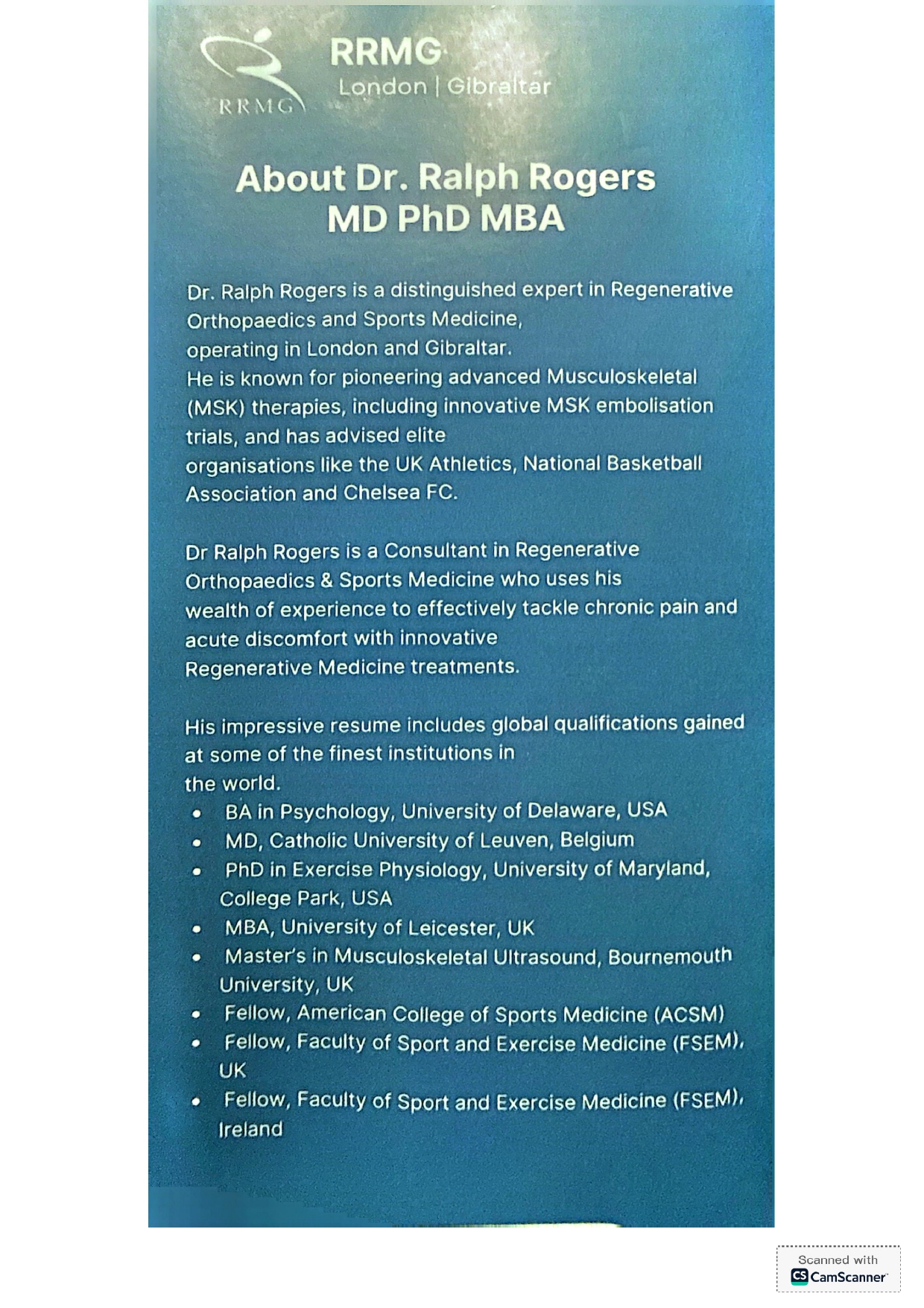
Following your assessment, Dr Ralph Rogers will explain the findings and discuss any appropriate investigations or treatment options with you. Your plan may include non-surgical treatment, rehabilitation, further imaging or follow-up, depending on your individual needs.
Joint pain can sometimes return or persist depending on its underlying cause, activity levels and individual circumstances. Treatment is designed around your specific diagnosis and may be combined with rehabilitation, exercise and lifestyle strategies to support ongoing joint health. Regular follow-up can help review your progress and adjust your treatment plan when needed.
Whether your goal is to return to sport, stay active as you age, manage ongoing joint pain or explore alternatives to surgery, we are here to help you understand your options. Take the first step towards better movement with a specialist assessment from Dr Ralph Rogers and his team.