Quick Email Now!
-
-
Company Location
UK
-
Phone Number
0207 112 5400
Quick Email Now!
Company Location
Phone Number

Tendon injuries can cause persistent pain, stiffness, weakness and reduced movement, affecting everything from everyday activities to sport and exercise.
At Advanced Non-Surgical Joint Treatment, we provide specialist assessment and personalised non-surgical treatment for a range of tendon and soft-tissue conditions. Led by Dr Ralph Rogers, our approach combines detailed clinical assessment, appropriate imaging and minimally invasive treatment options to understand the cause of your symptoms and support your recovery.
From tennis elbow and jumper’s knee to plantar fasciitis and hamstring tendinopathy, treatment is tailored to your condition, lifestyle and goals.
Tendons are strong bands of connective tissue that attach muscles to bones and help transfer force during movement. Repetitive loading, overuse, sporting activity or an acute injury can place excessive stress on a tendon and lead to pain and reduced function.
Tendon conditions can affect many areas of the body, including the shoulder, elbow, wrist, hip, knee, ankle and foot.
Although some conditions are commonly associated with particular sports, tendon injuries can affect anyone — whether you are an athlete, regularly active or simply experiencing pain during everyday movement.
Lateral Elbow Pain
Tennis elbow causes pain around the outside of the elbow and is commonly associated with repetitive gripping, lifting and forearm activity. Symptoms may include pain when gripping or lifting, tenderness around the outside of the elbow, forearm discomfort after activity, reduced strength or difficulty with everyday tasks.
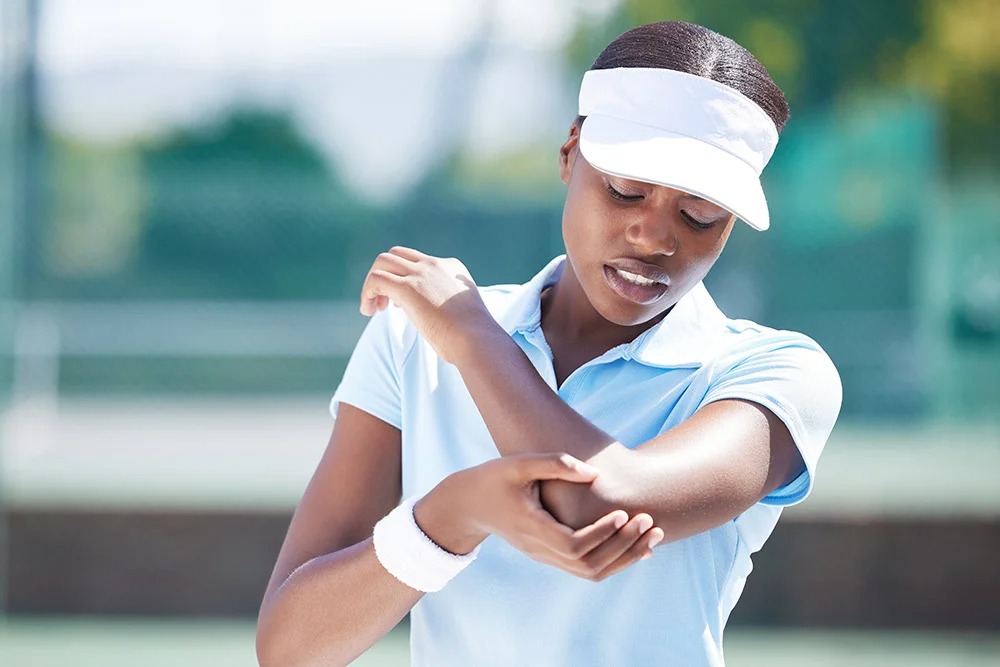
Medial Elbow Pain
Golfer's elbow affects the tendons on the inside of the elbow and can develop through repetitive wrist and forearm activity. Symptoms may include pain on the inside of the elbow, discomfort when gripping or lifting, tenderness around the affected tendon, reduced wrist or forearm strength.
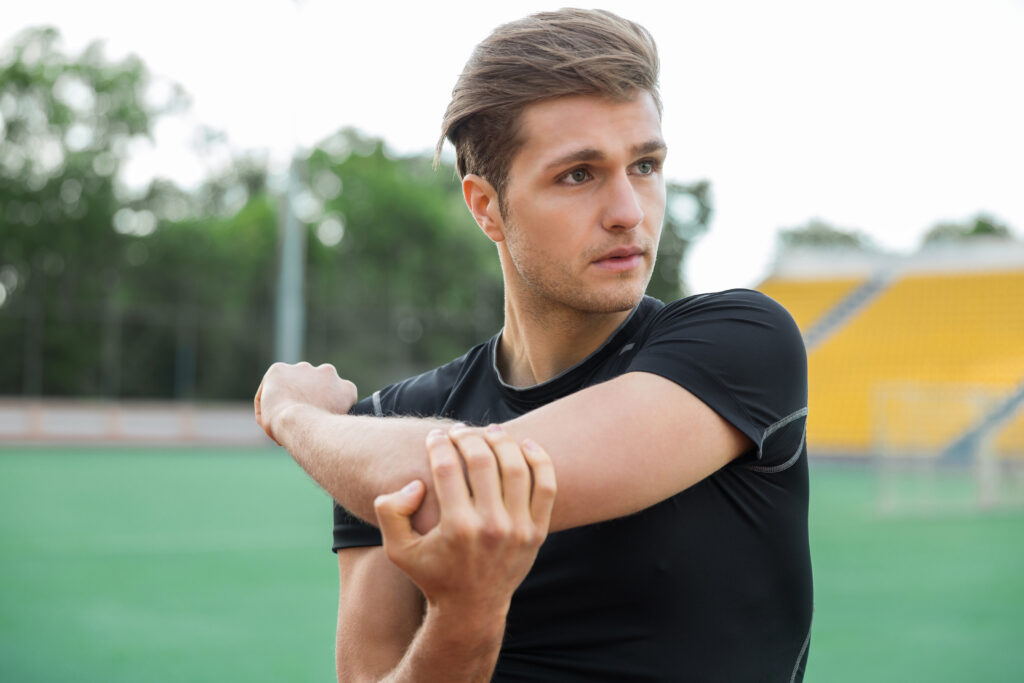
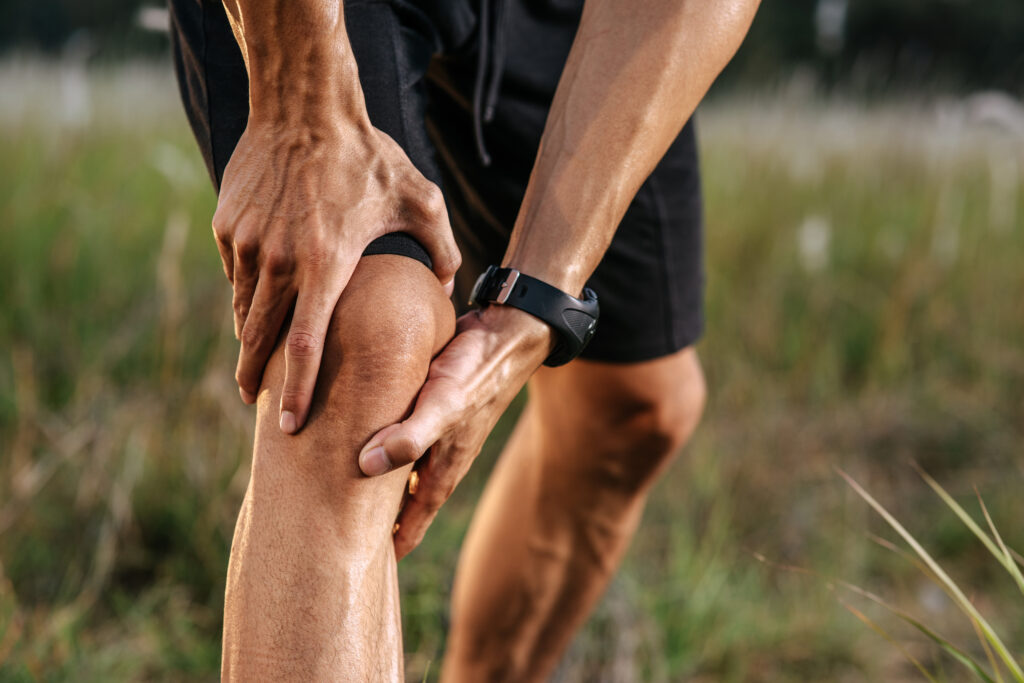
Patellar Tendinopathy
Jumper's knee affects the patellar tendon at the front of the knee and is commonly associated with repeated jumping, running and rapid changes in direction. Symptoms may include pain below the kneecap, discomfort when jumping or squatting, pain when running or climbing stairs, tenderness around the tendon, discomfort during sporting activities.
Heel Pain
Plantar fasciitis is a common cause of pain around the heel and underside of the foot. Symptoms often include sharp or stabbing heel pain with the first steps after waking or following periods of rest, discomfort during walking or running, tenderness around the heel.
Shoulder Tendon Pain
Rotator cuff tendinopathy can develop when the shoulder tendons are repeatedly loaded, particularly during overhead activities. Symptoms may include shoulder pain during overhead movement, discomfort when reaching or lifting, night-time pain, reduced shoulder strength, restricted movement.
Lateral Hip Pain
Gluteal tendinopathy can cause pain around the outside of the hip and may become more noticeable during walking, climbing stairs or lying on the affected side. Symptoms may include lateral hip pain, tenderness around the hip, discomfort when lying on the affected side, pain during walking or stair climbing.
Groin Pain
Adductor tendinopathy affects the tendons around the inner thigh and groin and can occur following repetitive sporting activity, particularly activities involving sprinting, kicking or rapid changes of direction. Symptoms may include groin pain during running, discomfort when kicking, pain with changes of direction, tenderness around the inner thigh.
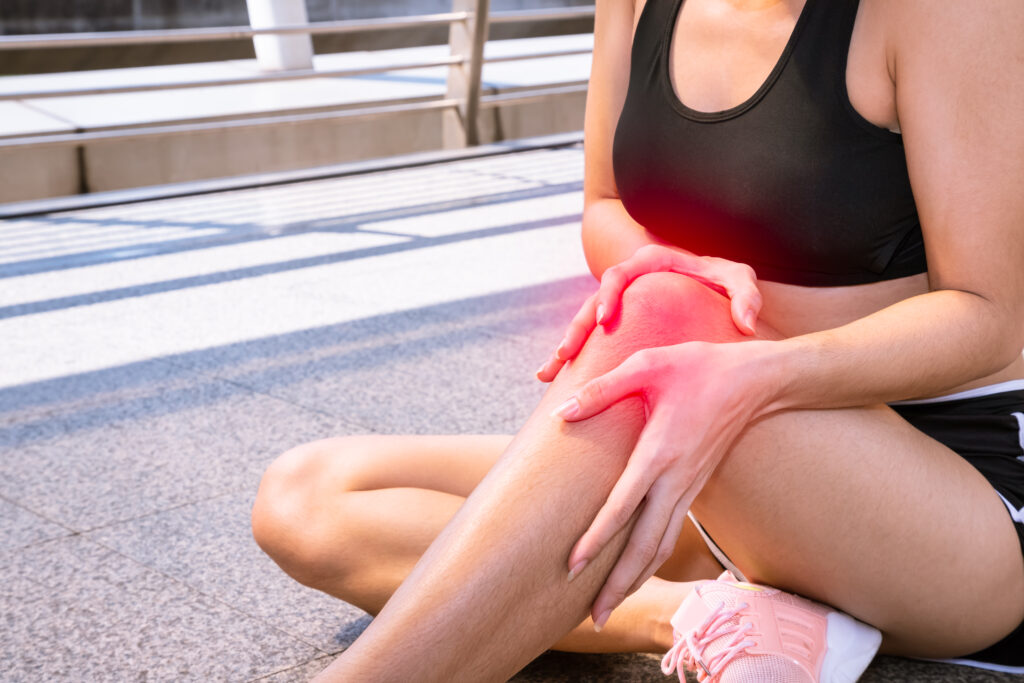
Posterior Thigh & Buttock Pain
Hamstring tendinopathy can cause pain at the back of the thigh or around the lower buttock, often near the hamstring attachment to the pelvis. Symptoms may include pain during sprinting or running, discomfort when bending forwards, pain with stretching, discomfort during prolonged sitting, pain during sporting activities.
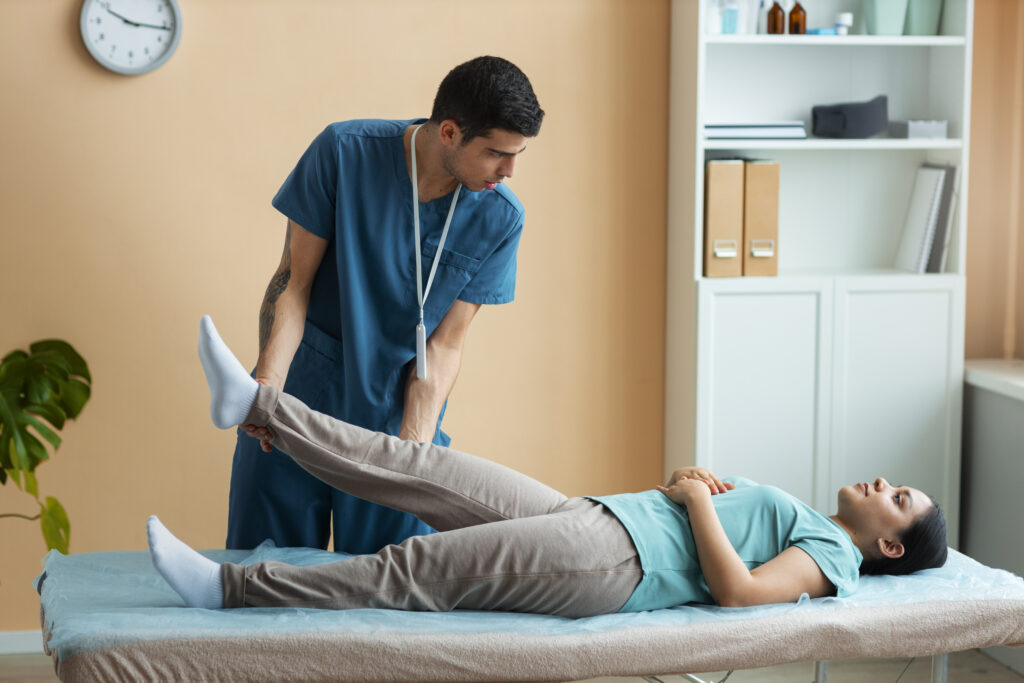
Tendon problems can develop for a number of reasons. Common contributing factors include:
Identifying the factors contributing to your symptoms is an important part of developing an appropriate treatment plan.
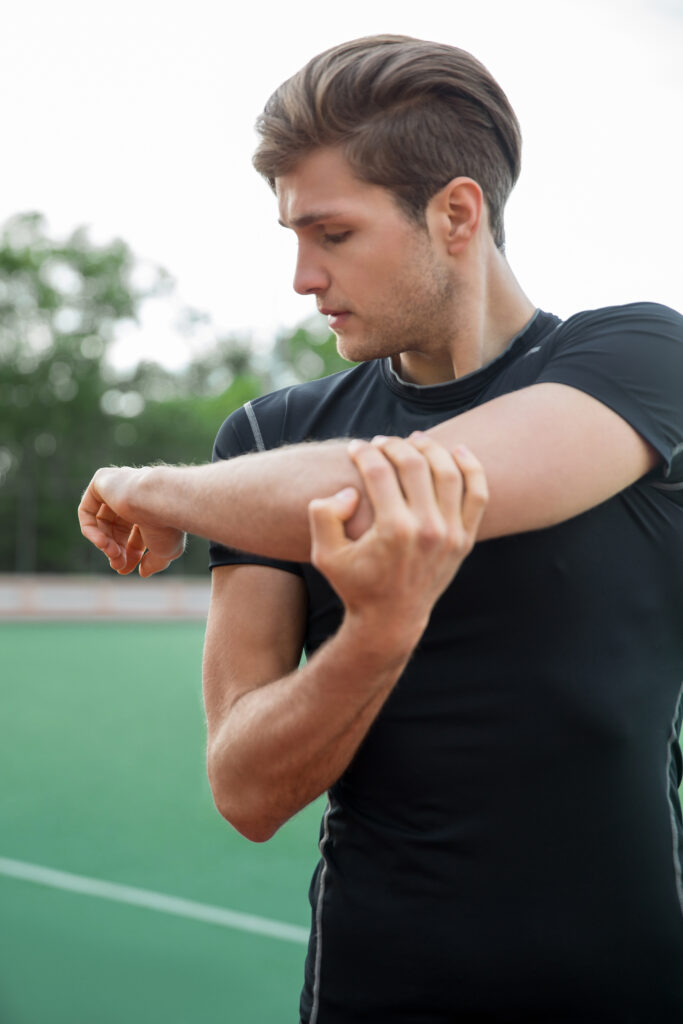
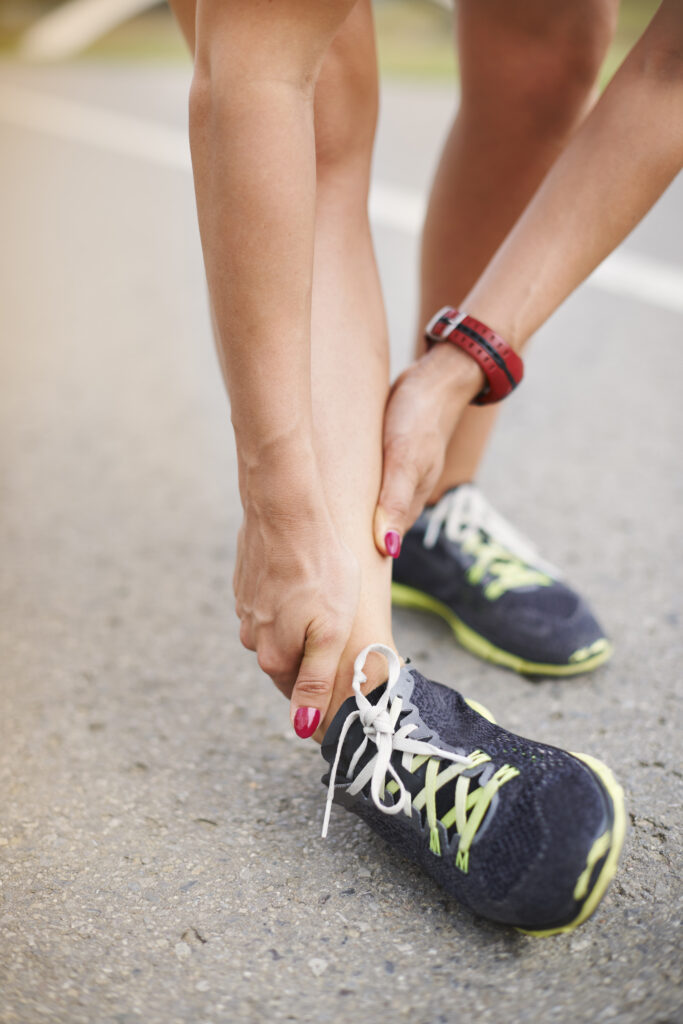
Tendon conditions can present differently depending on the affected area and severity of the problem.
Common symptoms include:
Pain — discomfort during or after activity
Stiffness — particularly after periods of rest
Tenderness — sensitivity around the affected tendon
Weakness — reduced strength or function
Swelling — localised swelling around the affected area
Reduced movement — difficulty performing certain activities
If symptoms persist or begin to interfere with work, exercise or everyday activities, specialist assessment can help establish the underlying cause.
Not all tendon pain has the same cause, which is why treatment begins with an accurate assessment.
Your consultation may include:
A detailed discussion of your symptoms, medical history, activities and treatment goals.
Assessment of movement, strength, tenderness and the function of the affected area.
Where appropriate, ultrasound, MRI or other imaging may be used to assess the tendon and surrounding structures.
Movement patterns, gait, posture and other contributing factors may be considered where relevant.
A treatment approach based on your diagnosis, needs and goals.
Joint treatment is not simply about reducing symptoms. It is also about helping you maintain movement, strength and independence.Where appropriate, your treatment plan may incorporate rehabilitation, exercise, biomechanical correction and lifestyle advice alongside targeted medical treatment. Our aim is to help you return to the activities that matter to you — whether that means getting back to sport, exercising comfortably, staying active as you age or simply moving through everyday life with greater confidence. The current site similarly emphasises personalised care, biomechanical correction, exercise and lifestyle support.
Your assessment and treatment are led by Dr Ralph Rogers, Consultant in Regenerative Orthopaedics and Sports Medicine.
We specialise in treatment approaches designed to manage musculoskeletal conditions without surgery where clinically appropriate.
Detailed clinical assessment and appropriate diagnostic imaging help establish the underlying cause of your symptoms.
Where suitable, targeted procedures can be considered as part of a personalised treatment plan.
Our approach is informed by extensive experience in sports and musculoskeletal medicine, with treatment tailored to both active individuals and everyday patients.
Many tendon conditions can be managed without surgery. Depending on the underlying problem, treatment may include rehabilitation, activity modification, injections or minimally invasive procedures.
Recovery varies considerably depending on the tendon involved, the underlying cause, how long symptoms have been present and your response to treatment. Your clinician can provide more individualised guidance following assessment.
Not necessarily. The need for imaging depends on your symptoms and clinical examination. Ultrasound or MRI may be recommended when additional information is needed to assess the tendon or surrounding structures.
In many cases, appropriate movement and exercise can form an important part of rehabilitation. However, the type and intensity of activity may need to be adjusted according to your condition.
If tendon pain persists, repeatedly returns or begins affecting your work, exercise, sleep or everyday movement, a specialist assessment can help determine the cause and appropriate treatment options.
Tendon symptoms can recur, particularly when contributing factors such as excessive loading, weakness or movement patterns have not been addressed. A personalised rehabilitation and activity plan can help support longer-term tendon function.
Many tendon conditions can be managed with non-surgical approaches, depending on the underlying cause and severity of the injury. Treatment may include rehabilitation, activity modification, image-guided injections or minimally invasive procedures. A specialist assessment can help determine the most appropriate option for your condition.
Reducing sudden increases in activity, allowing adequate recovery and gradually building strength can help reduce stress on the tendons. Proper technique, appropriate training loads and addressing underlying movement or biomechanical factors may also support healthy tendon function.
You can also reach out to us by phone or email are many variations